3D Models
3D Models & Printing
Some projects begin with a piece of wood or an old tool. These begin with polygons, reference photos and far too many hours staring at Blender. This is where I keep my 3D modeling work, finished prints, tabletop projects, experiments and the occasional idea that probably seemed much simpler before I started building it.
From Screen to Resin
3D modeling and printing has been one of my hobbies for years, and like most hobbies around here it started small before quietly taking over more space than originally planned. Some of the models on this page began as something I simply wanted for my own tabletop collection. Others started because the model I wanted either did not exist, was difficult to find, or looked like an interesting enough problem that I wanted to see if I could build it.
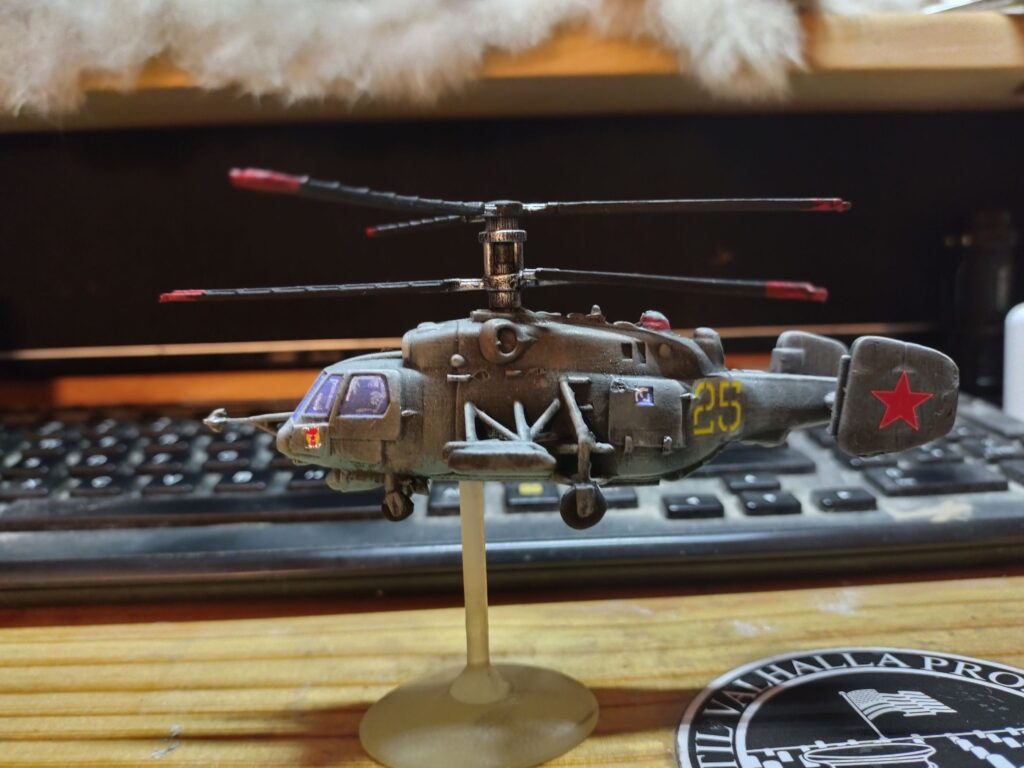
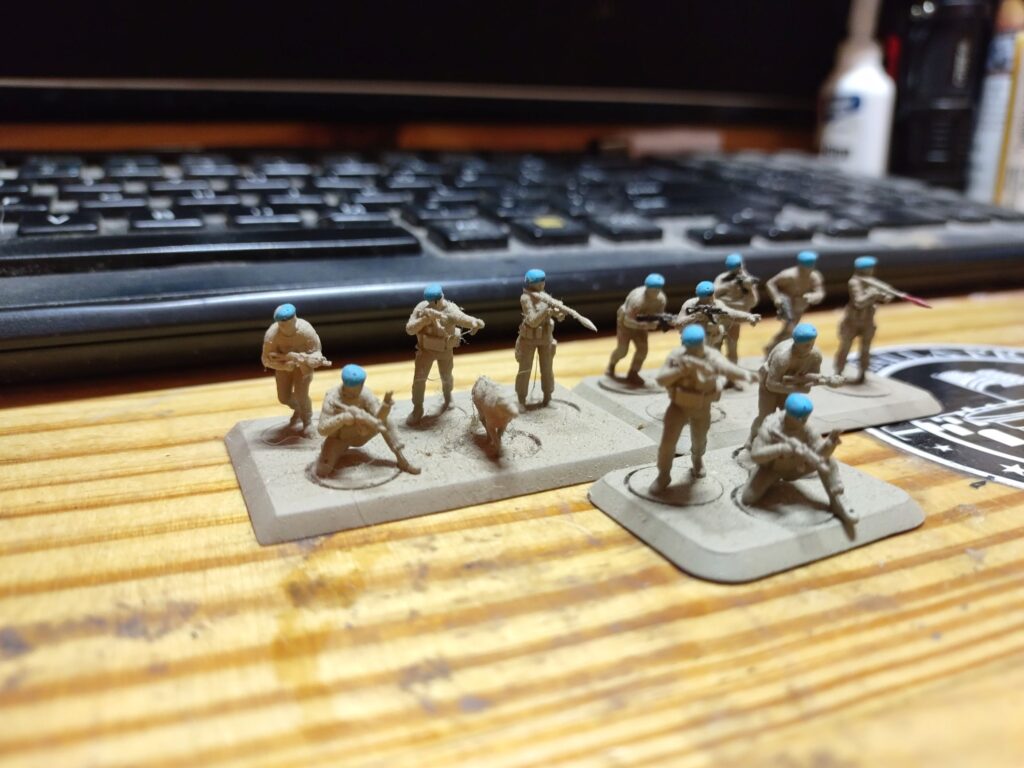
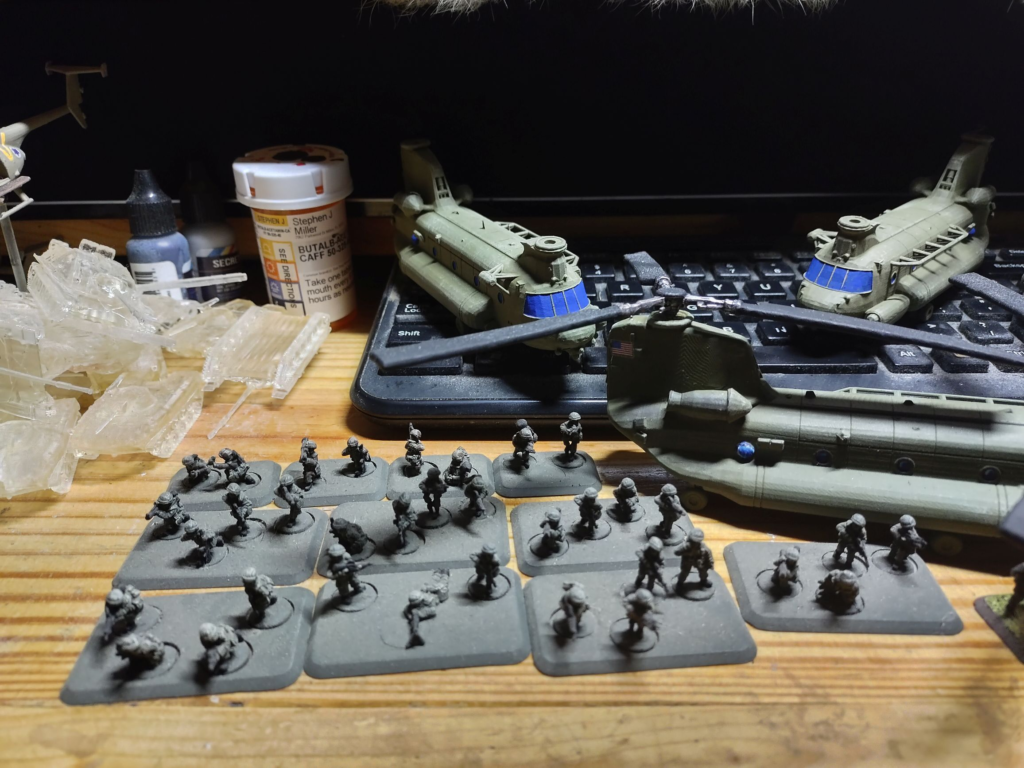
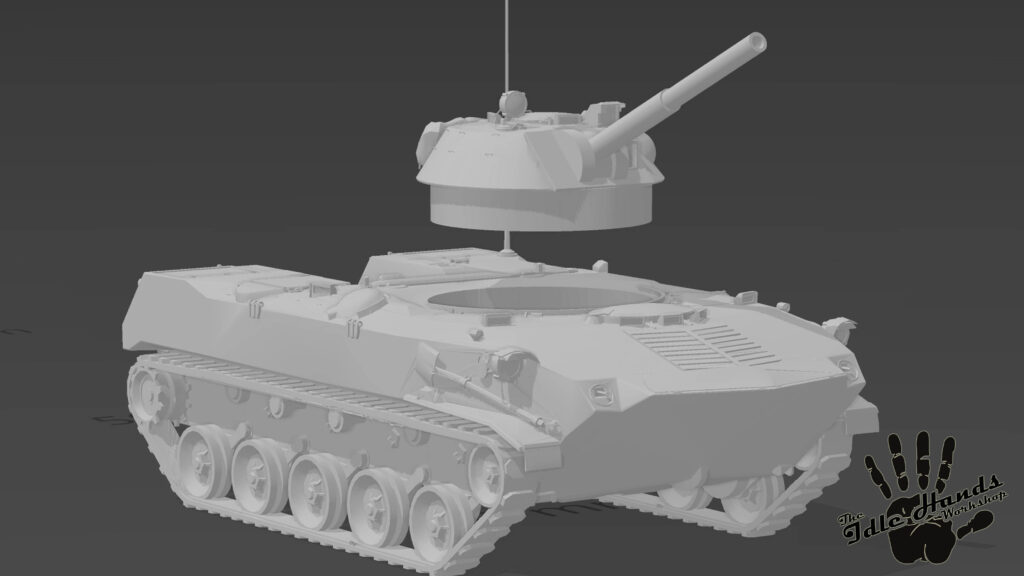
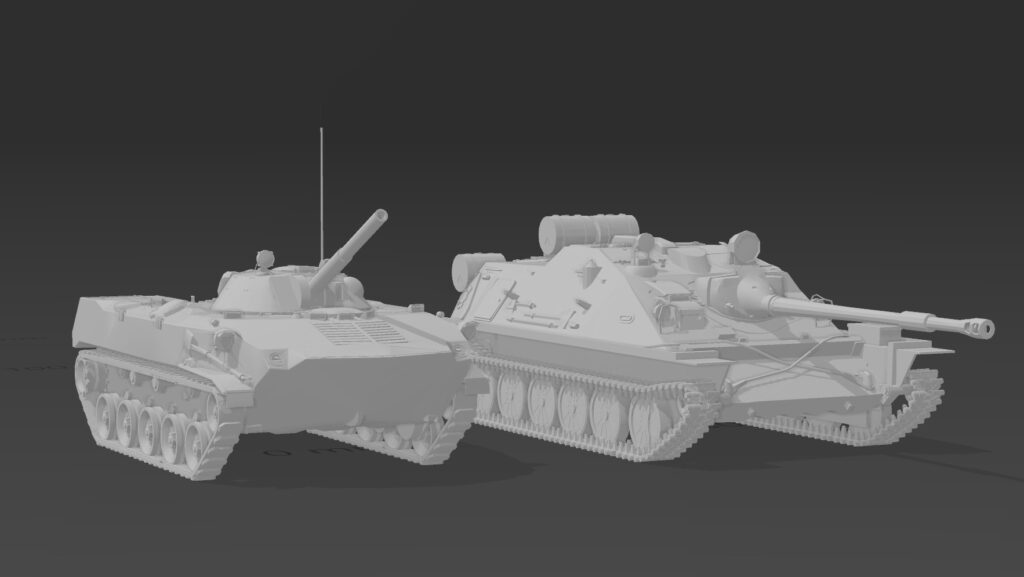
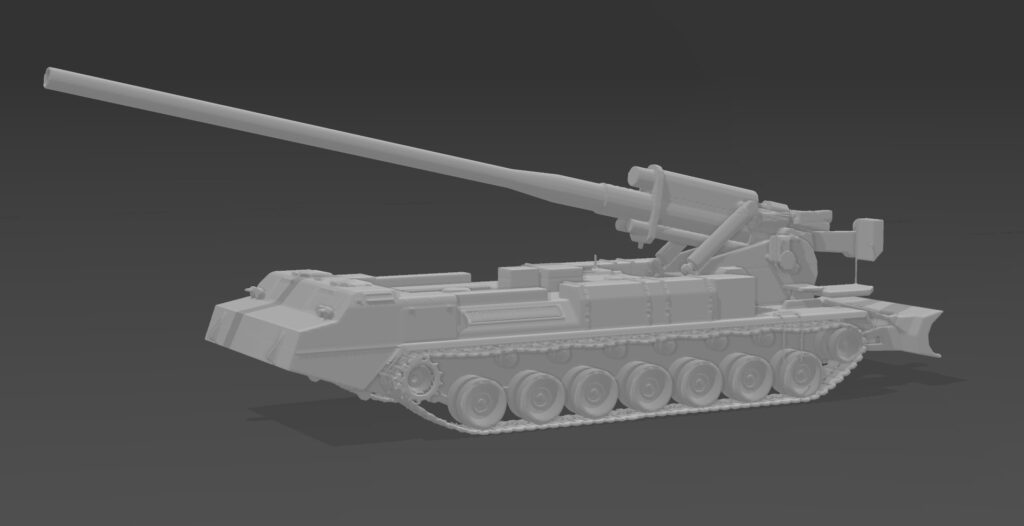
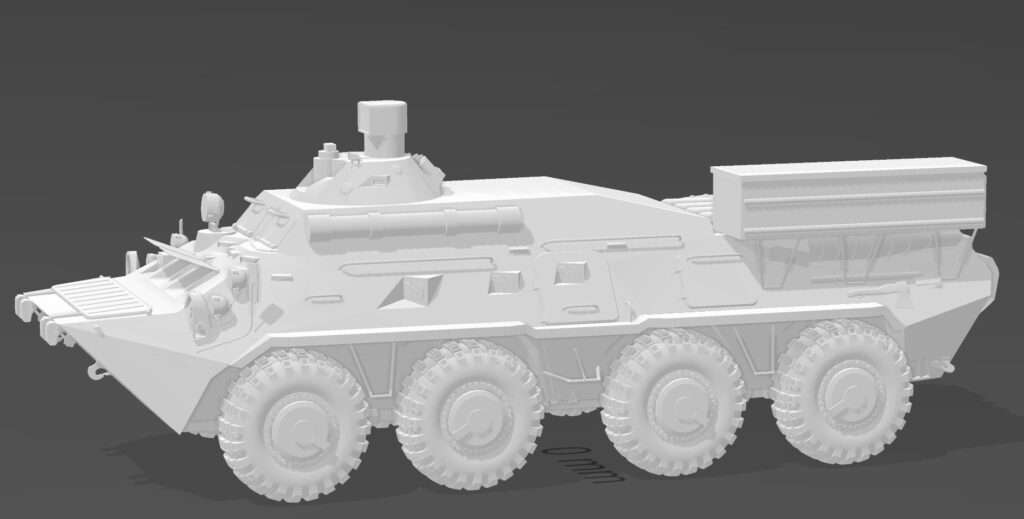
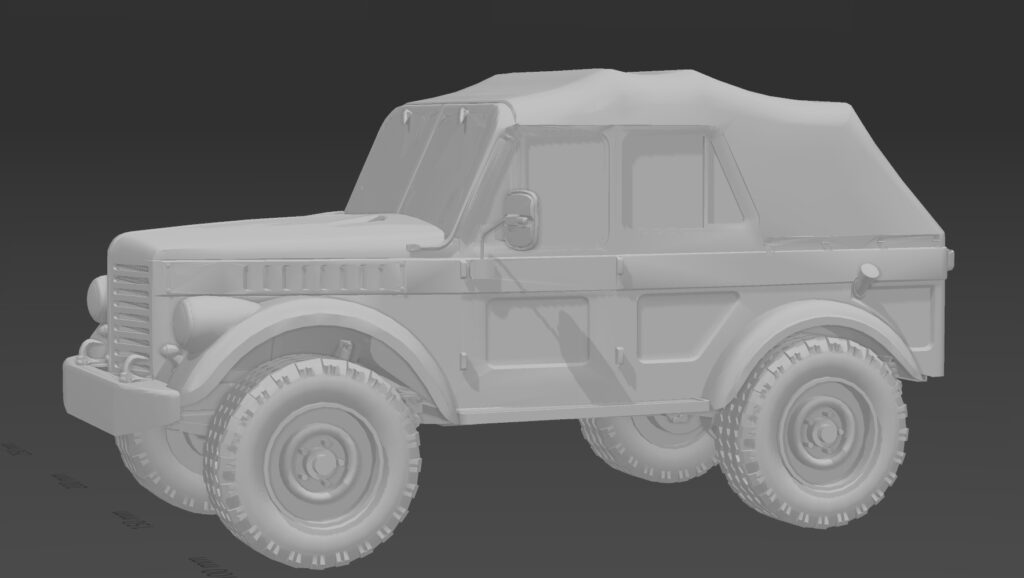
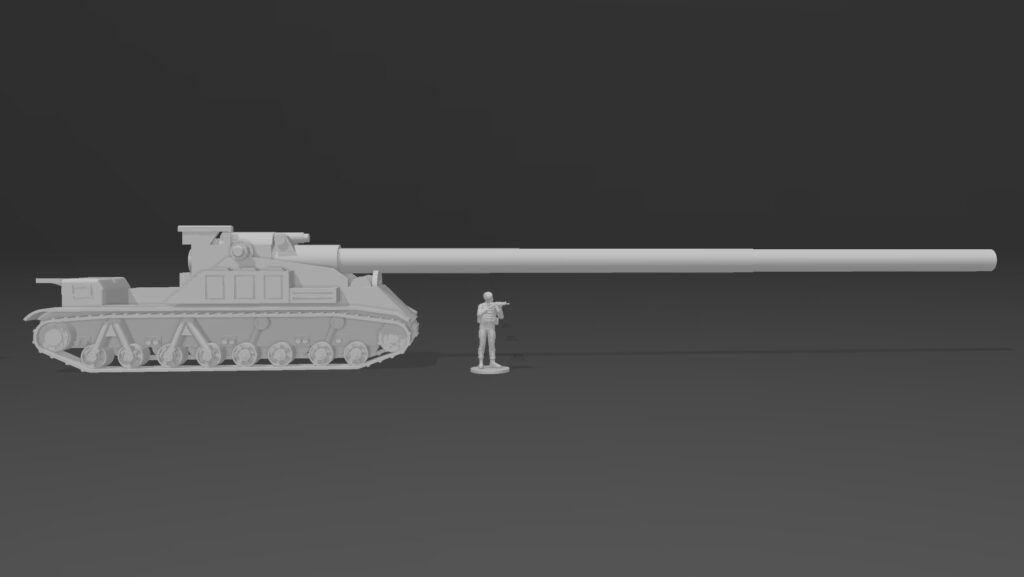
A large part of the collection has centered on military vehicles, aircraft and equipment, particularly subjects from the Cold War. Many are designed around 1:100 scale for games such as Team Yankee and Flames of War, although the real fun is often the modeling itself. Researching the real vehicle, figuring out how its components fit together, translating all of that into something printable and finally seeing the finished model sitting on the workbench is a pretty satisfying process.
Not everything is perfect, nor is it supposed to be. This has always been a learn-by-doing workshop. Every model teaches me something about geometry, scale, supports, printer limitations, historical details or one more creative way Blender can remind me that I do not know nearly as much as I thought I did.
Looking for the STL Files?
A number of my printable models are available through established 3D-model marketplaces. The selection varies somewhat between sites, so if you are looking for a particular vehicle it is worth checking both.
Wargaming3D
The main home for my tabletop-oriented military models, including Cold War vehicles, aircraft, helicopters, Soviet systems and assorted 1:100-scale projects.
Browse Wargaming3D →Cults3D
Another home for Idle Hands Workshop designs, including military models, gaming accessories and some of the stranger side projects that have escaped the workshop.
Browse Cults3D →ArtStation
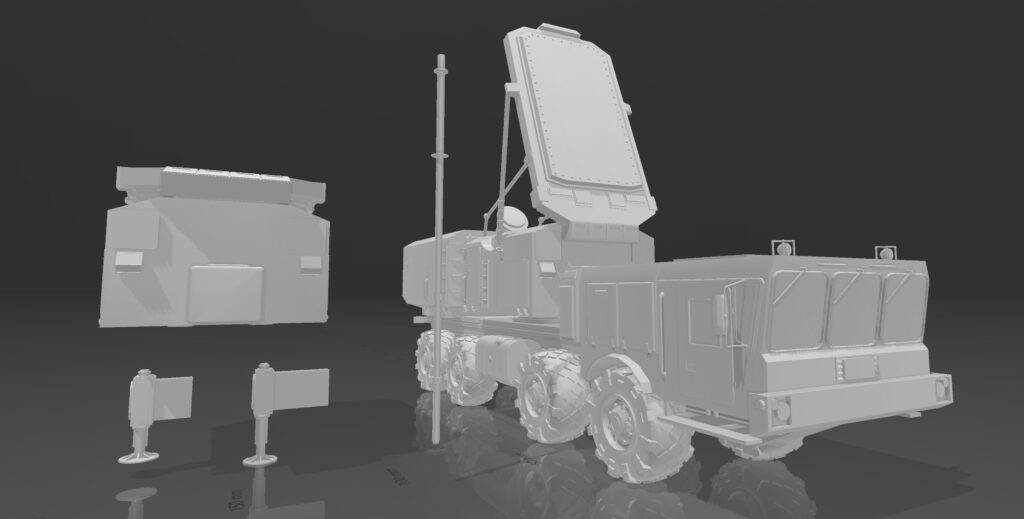
If you would rather look through the design work itself, ArtStation contains renders, works in progress and project galleries covering aircraft, Soviet vehicles, the S-300V project and assorted experiments.
View the Portfolio →The Digital Workshop
The software may be digital, but eventually everything still has to survive an actual printer, supports, resin, cleanup, paint and whatever abuse a tabletop model receives afterward.
The Printers
The printer collection has accumulated over time rather than arriving as one shiny matched fleet. It includes a couple of original Elegoo Mars resin printers, an Orange resin printer waiting for an overhaul, an Anycubic Photon, and an original DaVinci Duo that has been modified enough over the years to earn the description “Frankensteined.”
Different machines have different strengths, but the real objective is always the same: turn the thing on the screen into something that actually survives being printed.
The Software Bench
Blender is the primary modeling environment, but no single program handles every job perfectly. Depending on the project, several other tools may become part of the process for creating figures, repairing meshes, modifying geometry or simply getting a stubborn file ready to print.
Cold War Armor, Aircraft & the S-300 Rabbit Hole
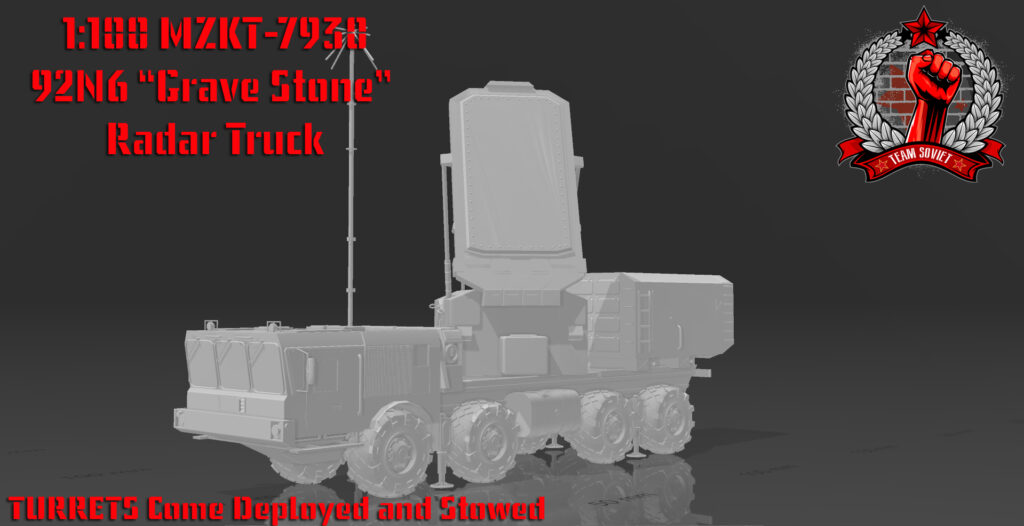
The largest continuing focus has been Cold War-era military equipment, especially vehicles and aircraft that fit naturally into 1:100-scale tabletop gaming. Soviet equipment has provided more than its share of rabbit holes, from tracked artillery and mine-clearing vehicles to helicopters, radar systems and missile complexes.
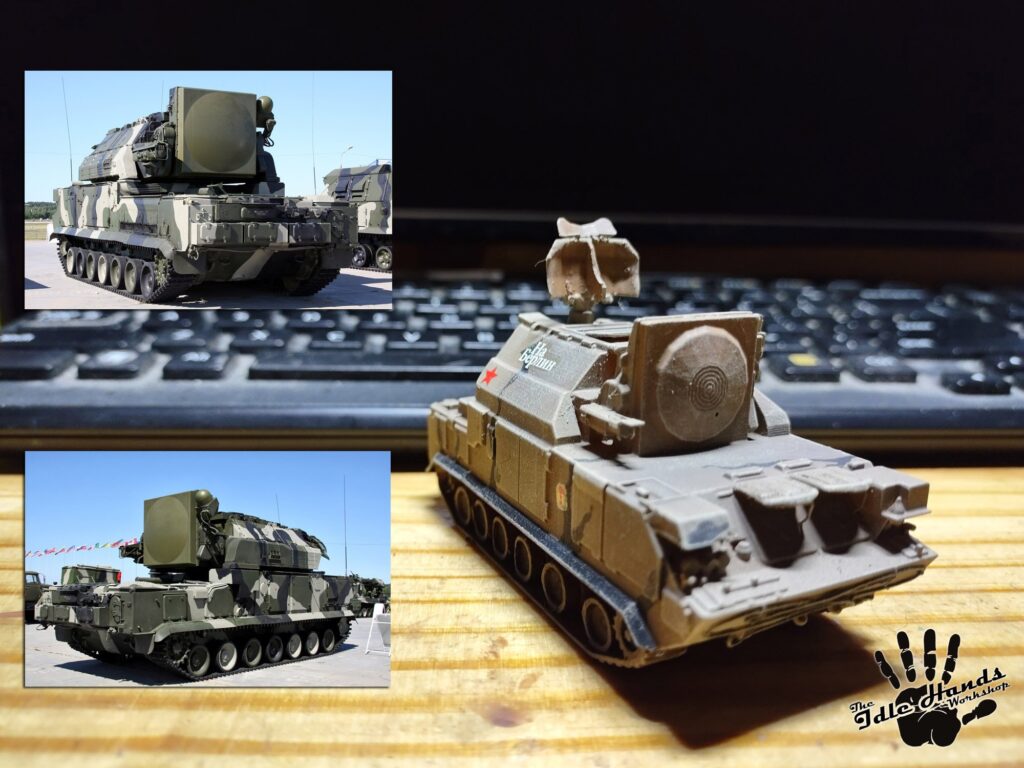
One of the larger projects became the Soviet S-300 family and its supporting vehicles. A missile complex is not one vehicle; it is an entire collection of launchers, command vehicles, radar systems and support equipment, which made it exactly the sort of project capable of consuming far more time than originally intended. Naturally, that also made it interesting enough to keep going.
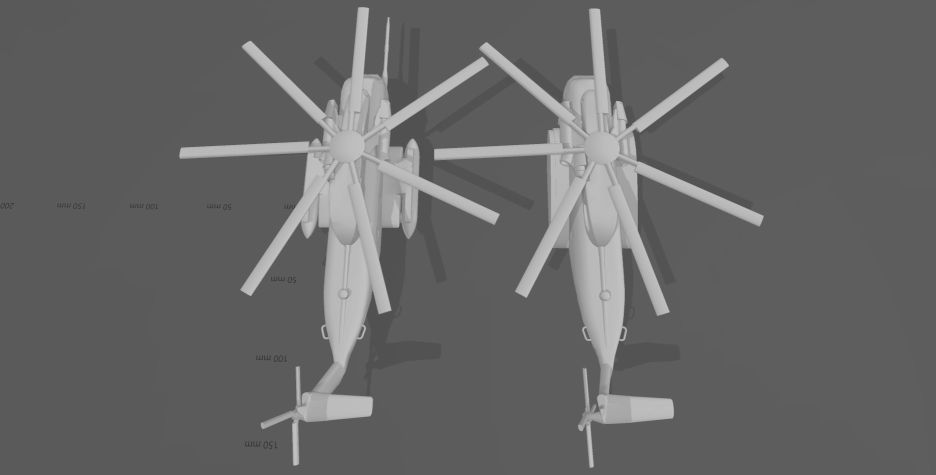
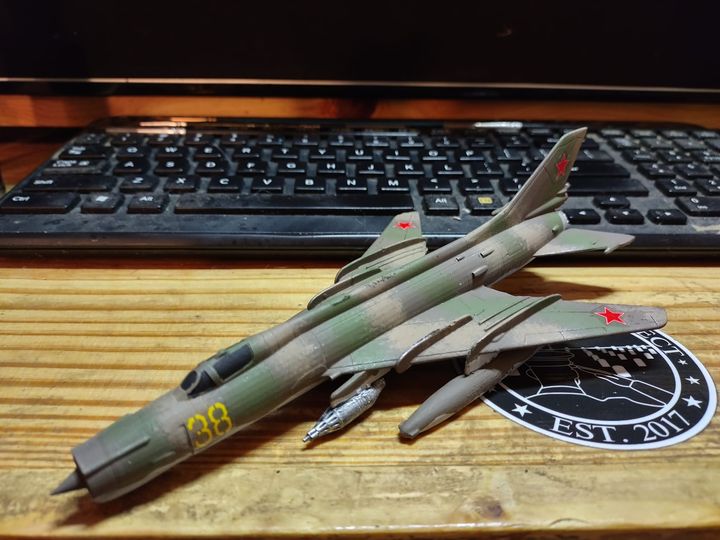
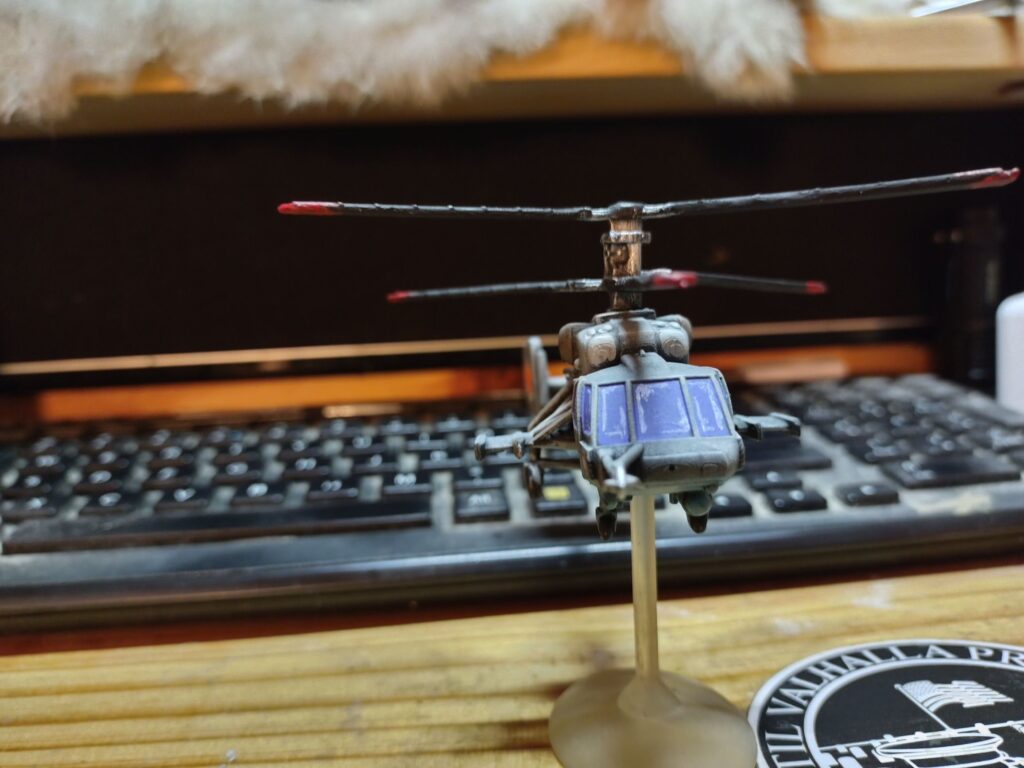
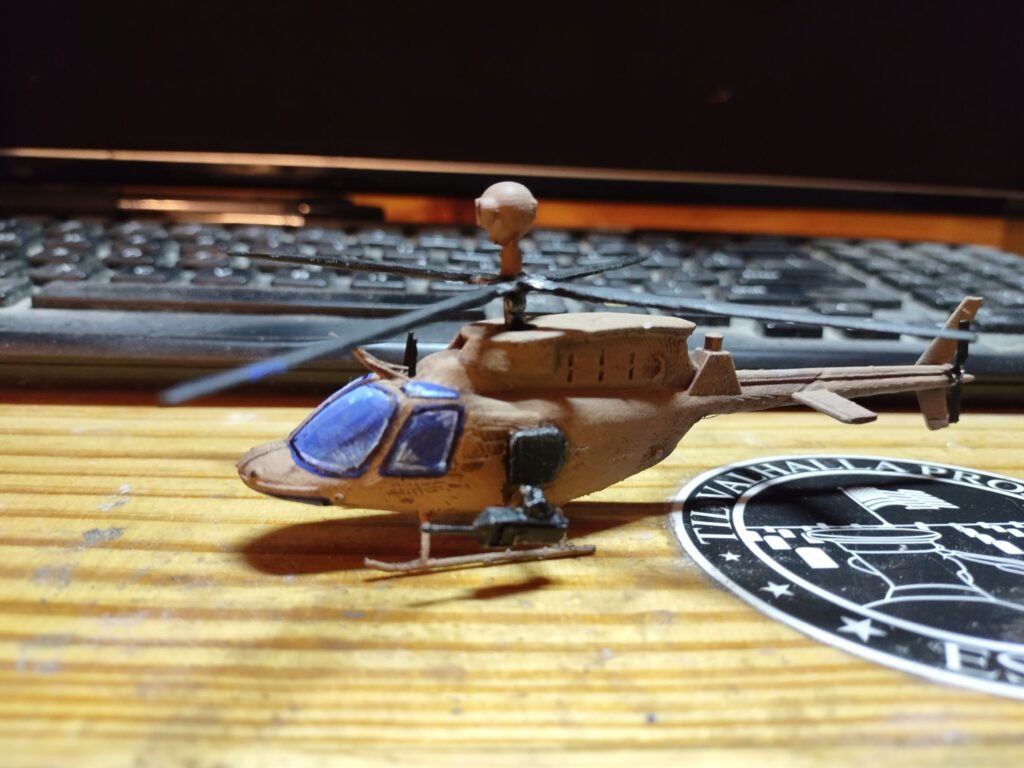
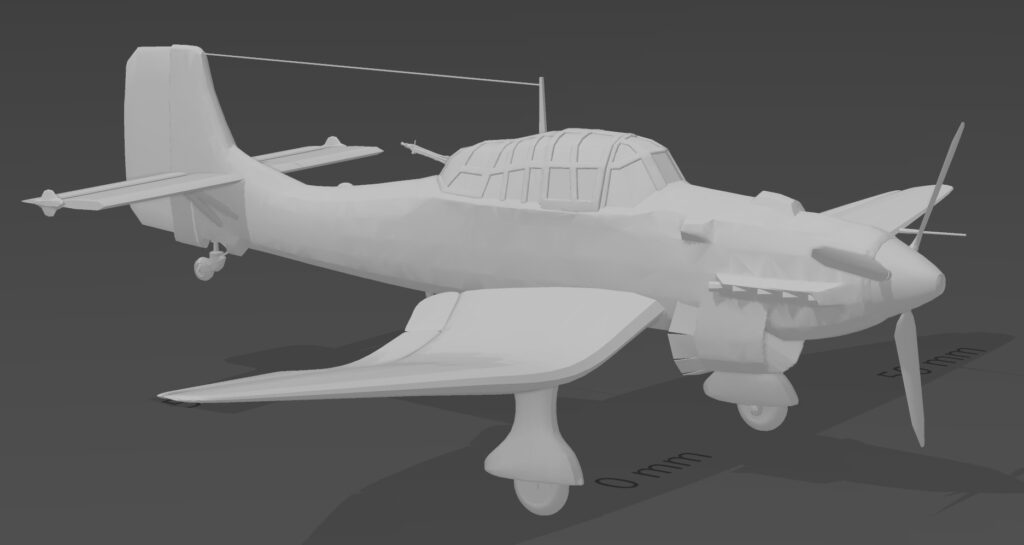
Aircraft and helicopters have been another recurring theme, with projects ranging from Cold War jets to transports and attack helicopters. Some models are intended to fill gaps in existing tabletop ranges, while others exist mostly because I wanted one and designing it sounded more interesting than waiting for somebody else to make it.
How a Model Gets From Idea to Table
The exact workflow changes with every project, but most of them pass through the same basic stages before they become something I am willing to put on the table.
Research
Photographs, drawings, dimensions and enough reference material to understand what I am actually trying to build.
Model
Build the geometry, simplify what scale allows and discover which details looked considerably easier in the photograph.
Orient, support, slice, print and occasionally learn that the printer disagrees with several previous decisions.
Finish
Clean it up, assemble it, paint it and finally find out whether it looks as good in the real world as it did on screen.
From the Workbench
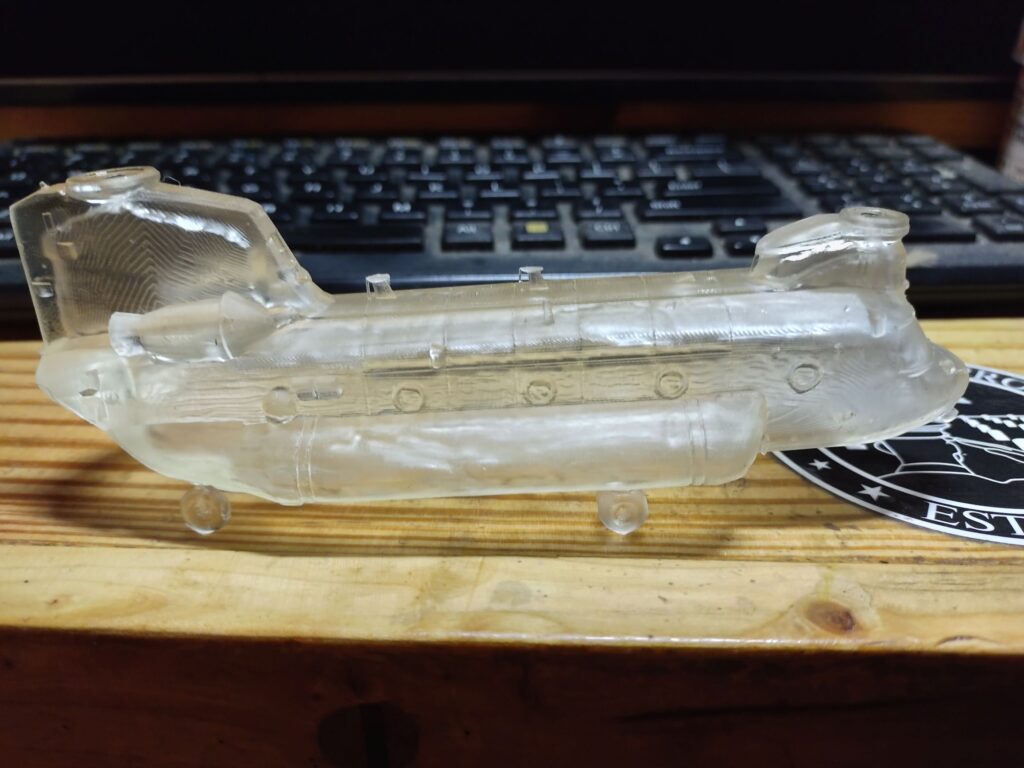
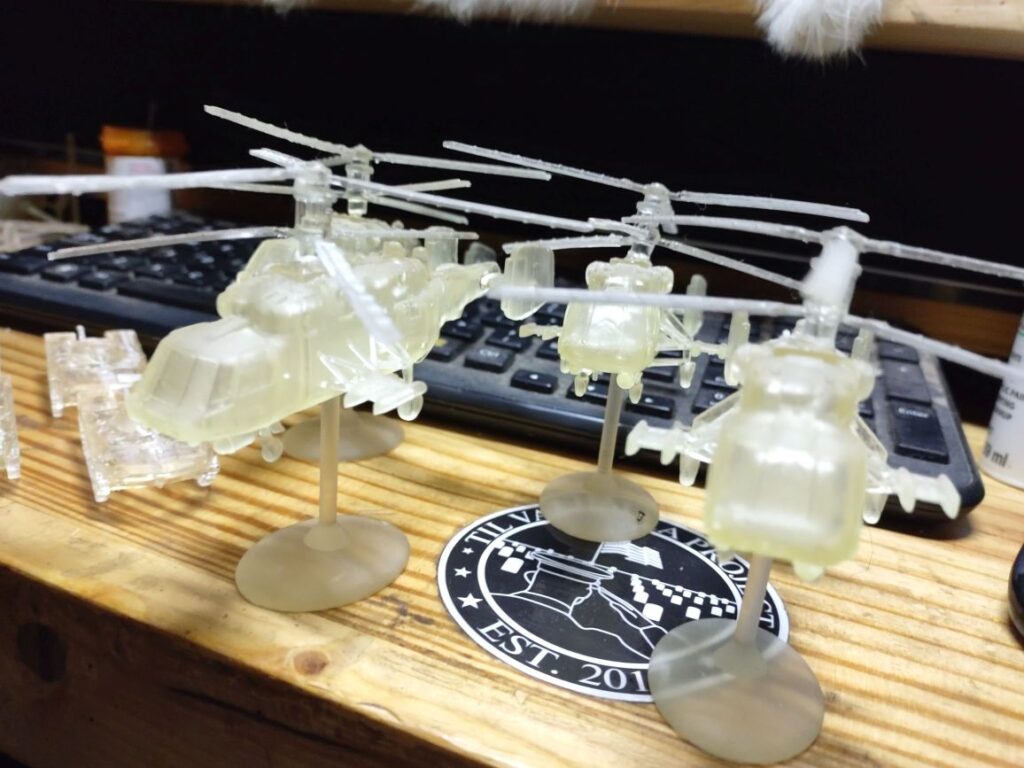
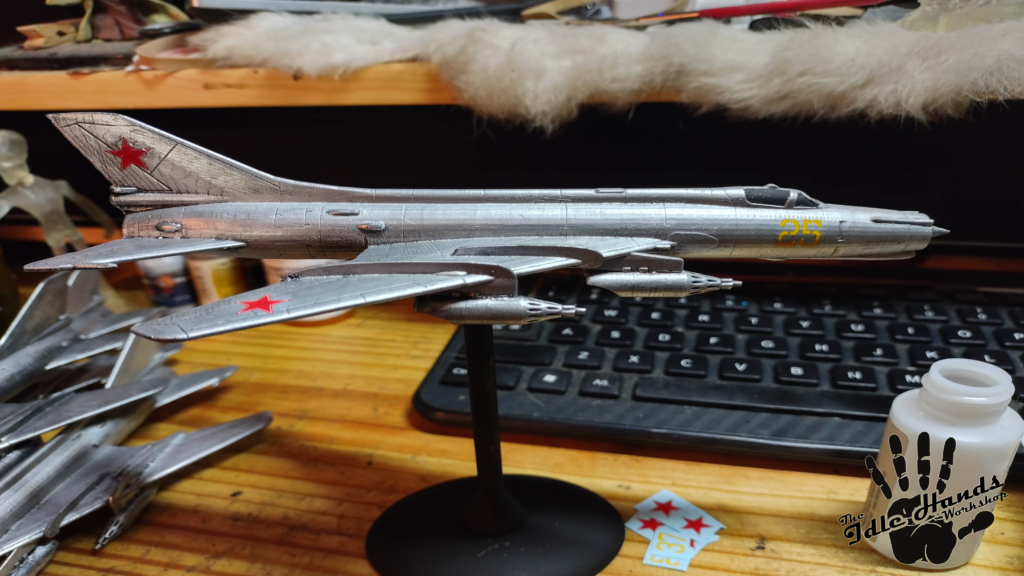
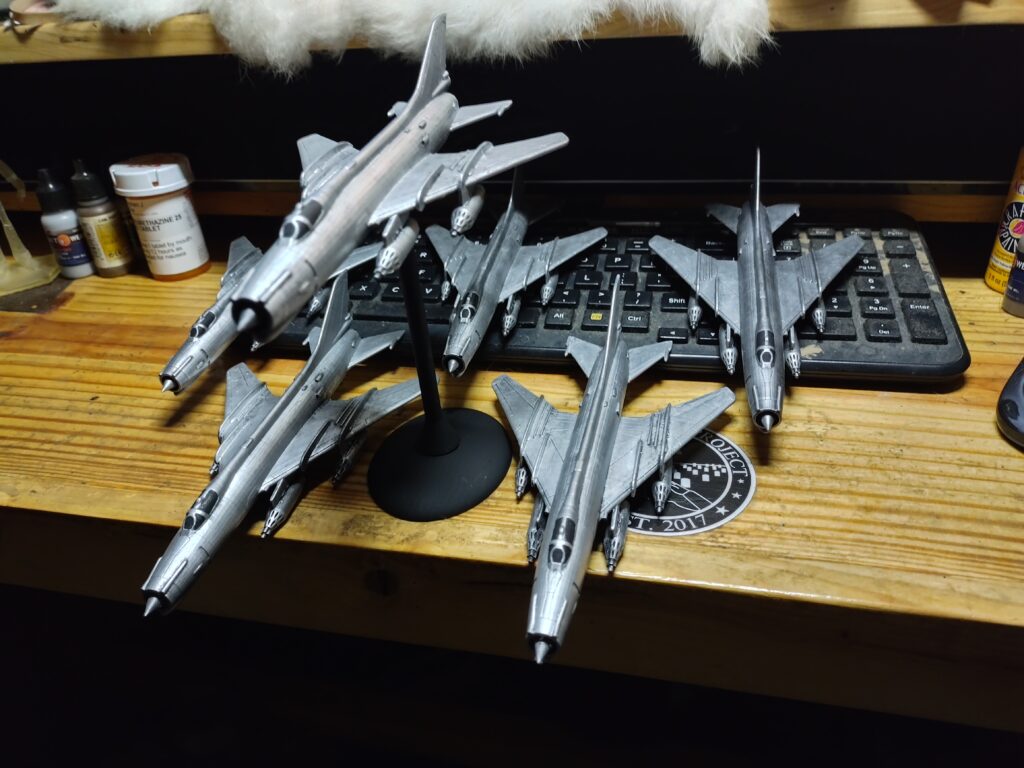
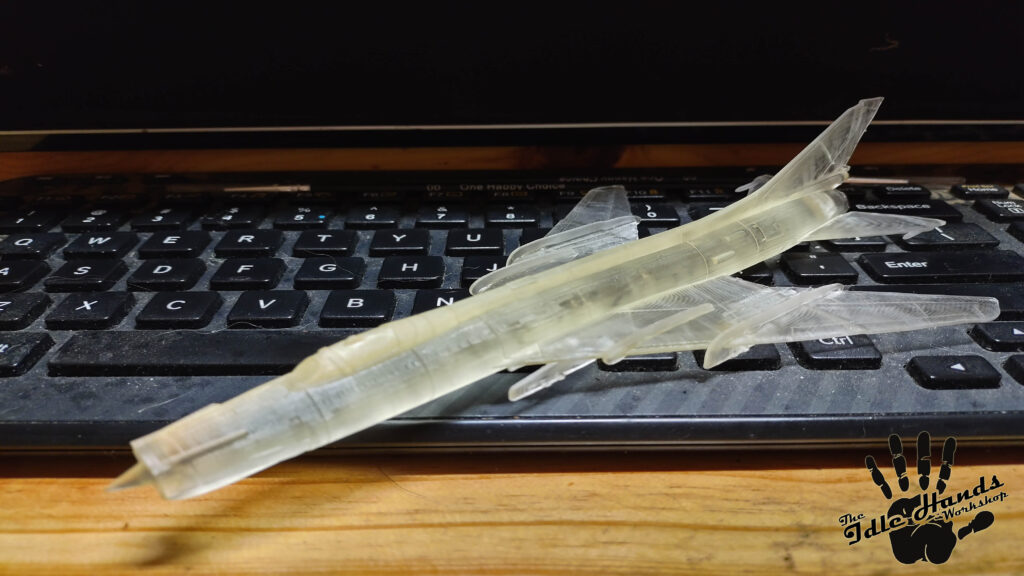
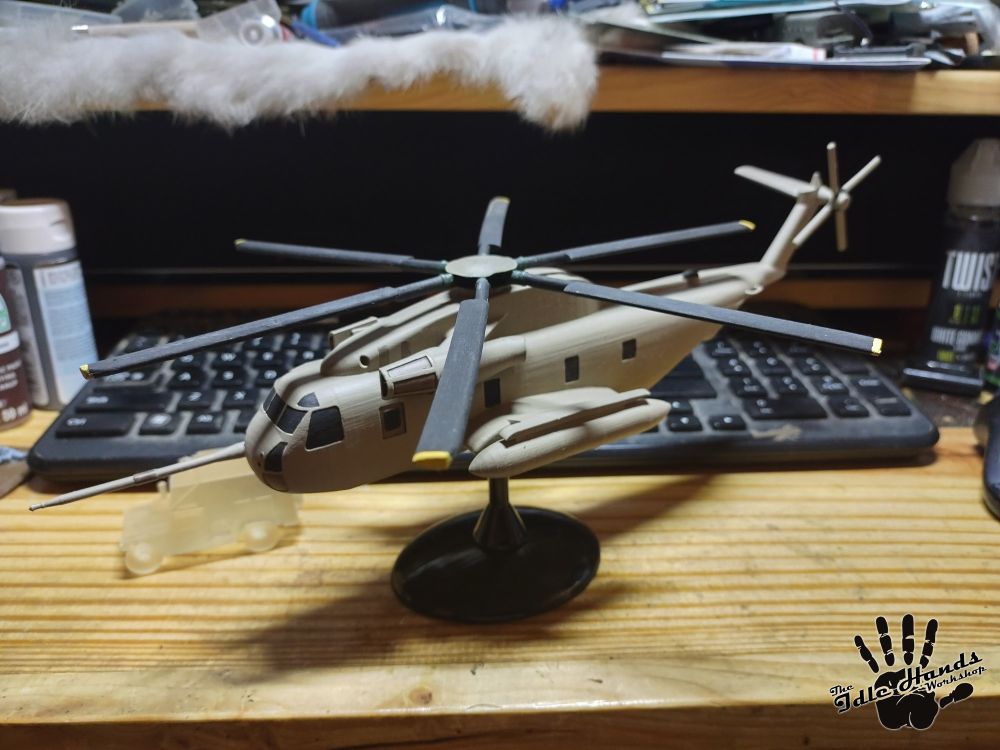
Below is a mix of finished prints, painted models, test pieces and works in progress. Some are polished projects, some are experiments and some are the result of learning exactly what not to do the next time around. That is part of the process.